Episode 27: Storytelling and Comedy

After nourishment, shelter and companionship, stories are the thing we need most in the world.
— Philip Pullman
There is a thin line that separates laughter and pain, comedy and tragedy, humor and hurt.
— Erma Bombeck

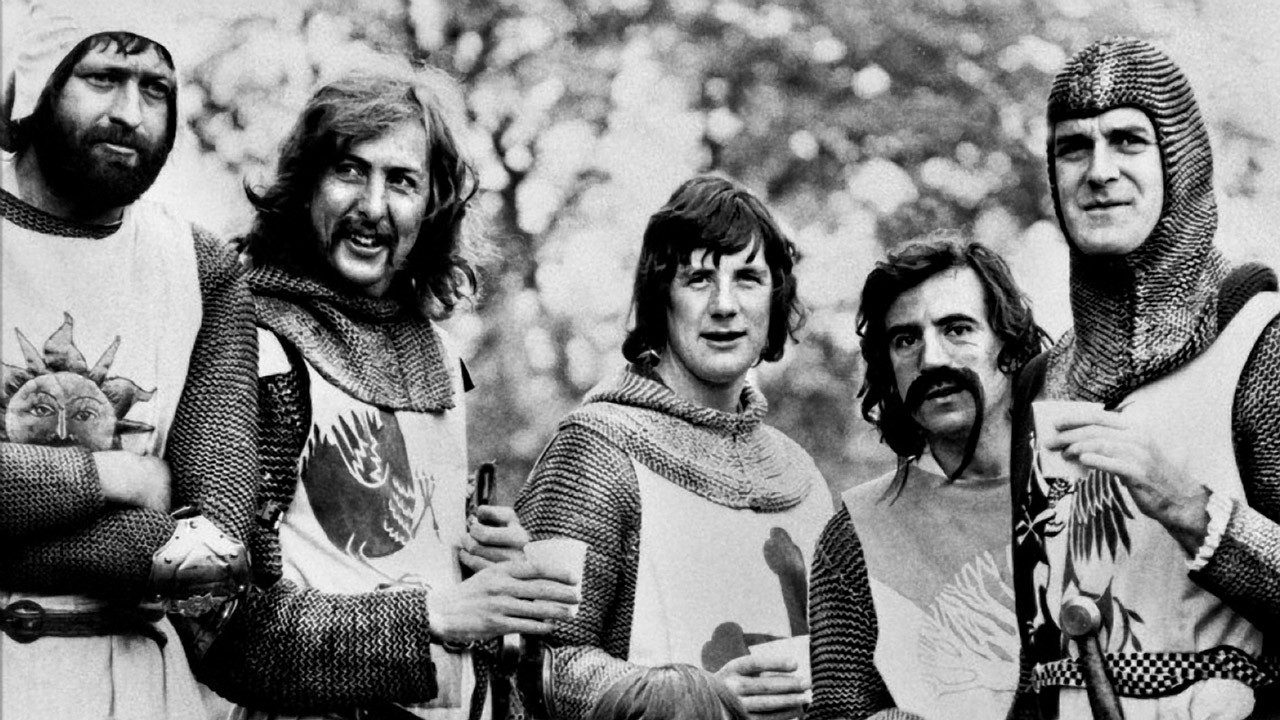
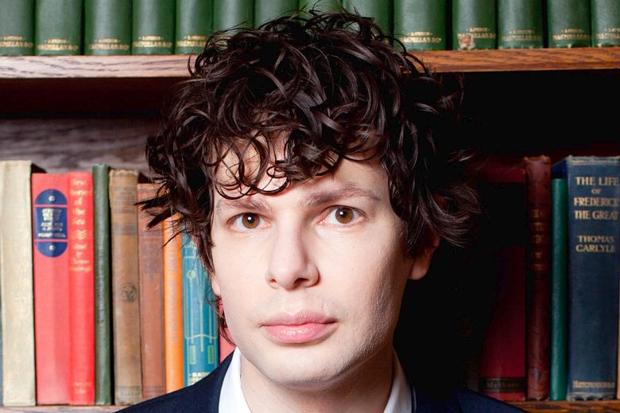
In this episode, we welcome guest Mike Jest to discuss how comedy and storytelling often work in conjunction with one another. We examine some of the basic forms of comedy, as well as the structure of several sitcoms. We also discuss variations on interweaving story-lines and some of the fundamental rules and tips in comedy. Finally, we look at comedy as a means of social and political satire.

Episode 26: Functions of Art

Creativity is allowing yourself to make mistakes. Art is knowing which ones to keep.
— Scott Adams
Art should comfort the disturbed and disturb the comfortable.
— Banksy
The arts are not a way to make a living. They are a very human way of making life more bearable. Practicing an art, no matter how well or badly, is a way to make your soul grow, for heaven’s sake. Sing in the shower. Dance to the radio. Tell stories. Write a poem to a friend, even a lousy poem. Do it as well as you possible can. You will get an enormous reward. You will have created something.”
― Kurt Vonnegut, A Man Without a Country

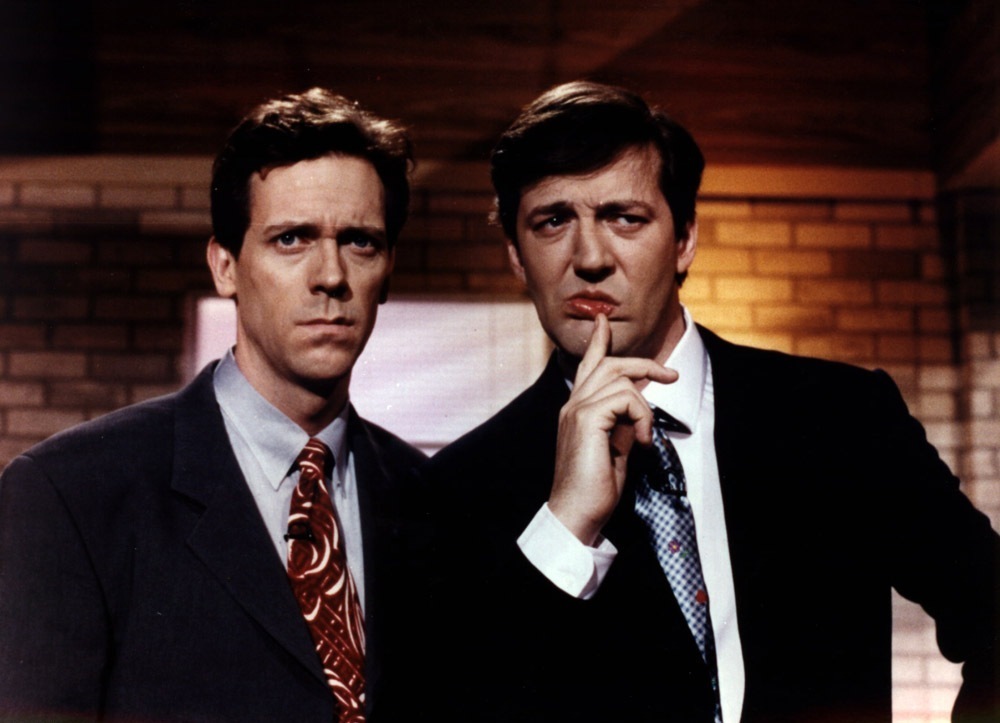
In this episode, we reflect on art as a human product, and the effects it has on us. We discuss the intentions of artists as well as the uses art has found historically and politically.

Episode 25: Fear and Horror Movies

“Alone. Yes, that’s the key word, the most awful word in the English tongue. Murder doesn’t hold a candle to it and hell is only a poor synonym.”
— Stephen King
The 3 types of terror: The Gross-out: the sight of a severed head tumbling down a flight of stairs, it’s when the lights go out and something green and slimy splatters against your arm. The Horror: the unnatural, spiders the size of bears, the dead waking up and walking around, it’s when the lights go out and something with claws grabs you by the arm. And the last and worse one: Terror, when you come home and notice everything you own had been taken away and replaced by an exact substitute. It’s when the lights go out and you feel something behind you, you hear it, you feel its breath against your ear, but when you turn around, there’s nothing there...
— Stephen King

We are joined in this episode by Issa Polstein, who discussed some of his favorite horror movies, his appreciation for the genre, and how they instill and explore various fears. We also examine what these fears say about us as people and what we look for in horror movie experiences.

Episode 24: Hip Hop and Cooking

I want kids of this generation to see that everything is cool, that there’s some kind of unity in hip-hop. We all found something that’s really important to us, and music is all we’ve really got.
— Missy Elliott
Cooking is like painting or writing a song. Just as there are only so many notes or colors, there are only so many flavors - it’s how you combine them that sets you apart.
— Wolfgang Puck

In this episode, Lucas joins us to express his passions for both hip hop and cooking. In doing so, he also elaborates on what links the two together, how both are social and self-reflective. He describes his personal exploration of both while also offering suggestions on how one could improve either as a craft.

Episode 23: The Concept of Friendliness

We try to be real nice and friendly to people, but sometimes they take advantage of that.
— Layne Staley
It is easy enough to be friendly to one’s friends. But to befriend the one who regards himself as your enemy is the quintessence of true religion. The other is mere business.
— Mahatma Gandhi

In this episode, we discuss "friendliness" as an idea which refers to strategic kindness and sympathy shown towards others primarily out of interest in social standing rather than genuine concern. We discuss how this phenomenon, conceived by Michael Moffatt, an anthropology professor at Rutgers in the 1980's, operates and what validity we ascribe to it.