Episode 62: Black Mirror Part II

Breaking down in tears, Skillane admitted to filming Jemima’s final moments, claiming her fiance had pressured her into helping him, maintaining she was under his spell. The jury was not convinced by Skillane’s story, and neither was the judge, who labelled her ‘a uniquely wicked and poisonous individual’.
— Baxter, explaining Victoria Skillane's crime to her.

This week we return to the BBC series Black Mirror to discuss and review its second season. As with the first season, the show continues to deal with topics relating to technology. Specifically, these episodes examine our relationship with obsessive recording, death and technology and modern political candidates. As this conversation spans details from multiple episodes, we spoil plot details and recommend that you refrain from listening if you wish to watch the show first.


Episode 61: The Loss of Digital Data

The library, with its Daedalian labyrinth, mysterious hush, and faintly ominous aroma of knowledge, has been replaced by the computer’s cheap glow, pesky chirp, and data spillage.
— P. J. O'Rourke
You can use all the quantitative data you can get, but you still have to distrust it and use your own intelligence and judgment.
— Alvin Toffler

While computers of the modern age offer us a tremendous amount of flexibility and function in storing, transmitting and accessing data, they are still fallible. Often, this fallibility manifests in the loss of large quantities or entire regions of data. As a members of a highly-technological generation, we wanted to discuss our experiences with digital data loss and its implications.

Episode 60: Don't Sweat the Small Stuff II

When we judge or criticize another person, it says nothing about that person; it merely says something about our own need to be critical.
— Richard Carlson
Sadly, many people spend far more time washing their car or watching reruns of television shows they don’t even enjoy than they do making time for aspects of their life that nurture their hearts. If you remember that what you practice you will become, you may begin choosing different types of practice.
— Richard Carlson

This week, we give a second reading of Don't Sweat the Small Stuff and further discuss some chapters in the book, focusing on behavioral habits, criticism of others, understanding and graciousness. If you enjoyed this episode, you can listen to our previous reading here. As before, if you are interested in getting the book for yourself, we've included some links below.

Episode 59: Celebrating Columbus Day

These people are very unskilled in arms... with 50 men they could all be subjected and made to do all that one wished.
— Christopher Columbus
Gold is a treasure, and he who possesses it does all he wishes to in this world, and succeeds in helping souls into paradise.
— Christopher Columbus

As Columbus Day concludes its 78th year of official celebration as a federal holiday in the United States, we should consider its broader legacy, the man it honors and his impact on America as a result of his actions. With increasing disapproval and protest from groups of indigenous cultures, we wanted to examine the holiday more closely and consider both sides of the debate.

*As a crucial note, I refer to "Native American language" used by code-talkers during WWII. This was an error on my part, when there are numerous and varied languages belonging to different Native American cultures. I apologize for the mistake - Kip

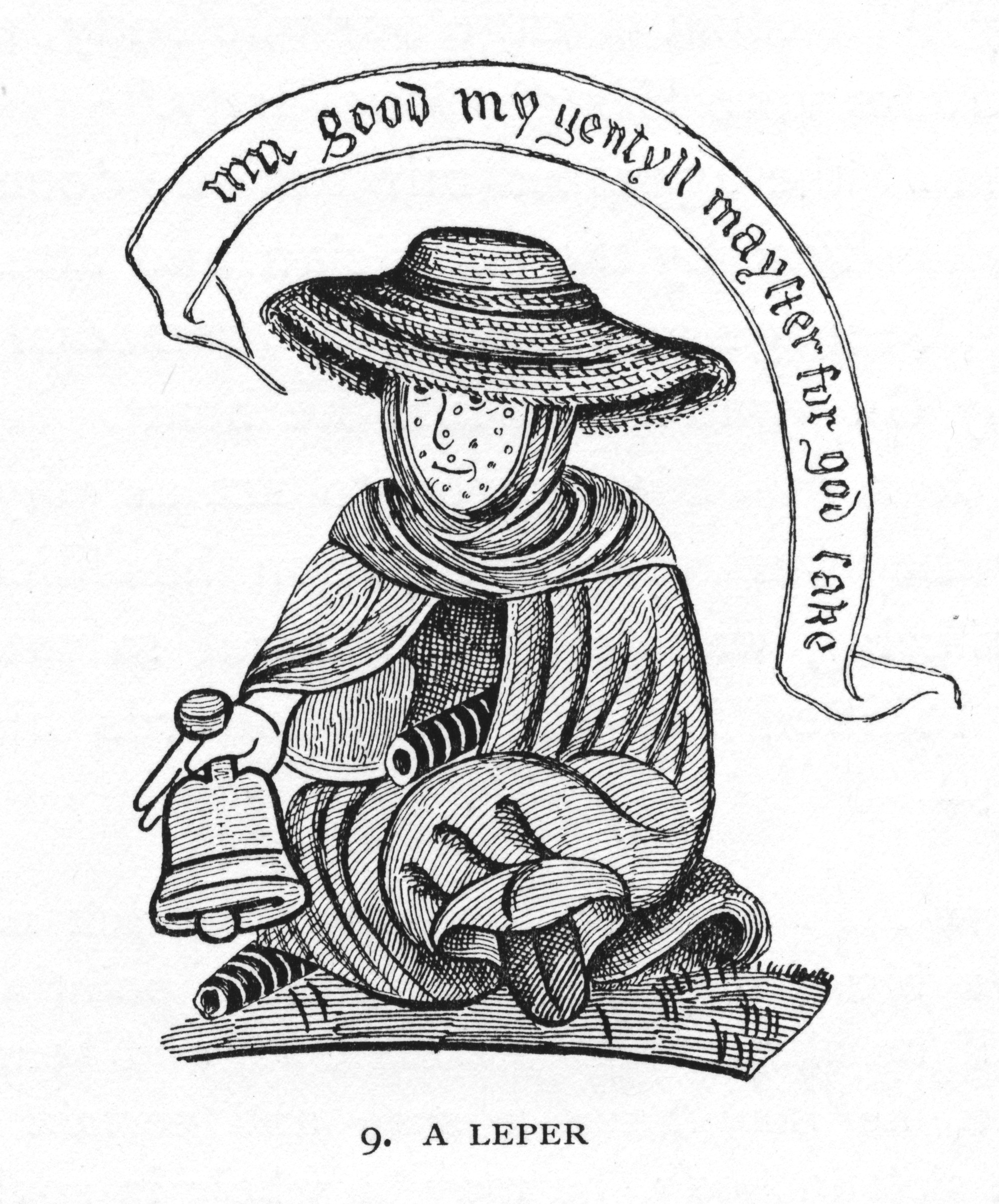
Episode 58: Leprosy in the Middle Ages

Throughout its history, leprosy has been feared and misunderstood. For a long time leprosy was thought to be a hereditary disease, a curse, or a punishment from God. Before and even after the discovery of its biological cause, leprosy patients were stigmatized and shunned.
— "History of Leprosy" - Stanford

There are vast swaths of history often untouched and glossed over by most of us. This week we welcome Nick Rogers, who wrote his thesis on leprosy in Medieval Europe, one such topic. We discuss some of the approaches to the disease at the time, curious details and misconceptions surrounding it, medical practices in the Middle Ages and how we might learn from this historical period.